Kamis, 06 Januari 2011

Swimming is the best way to burn calories.


Swimming can be used as a warm up session before going to your regular works. After work, swimming few laps will able to assist you cool-down, it moves blood all the way through your muscles helping them to recover the strength, and relax you. If your weight is 150 lbs. then you will burn nine hundred calories in 1 hour by swimming only 30 minute, a mile. On the other hand, many swimmers don't swim quick and for that much distance.
You can even do group workouts and water aerobics which are very helpful for health and weight loss. As you talk, make challenges with each other, and share techniques sometimes is always rewarding experience.


There are some other psychological advantages of swimming as well. Relax while swimming with a low effort. Allow your mind to wander, just focus on nothing other than rhythm of stroke. If you focus strongly on one thing then you enter meditated state which will lead you to comfort, later you may leave water and are set for entire day. Many people enjoy several indirect advantages of swimming. You will see developing skills like time-management, self-discipline, sportsmanship, goal-setting, and intelligence. In general swimmers appear to do well in school, than non-swimmers.

Swimming pool image by apeschi from Fotolia.com Swimming is the best way to burn calories and helps to make your body shape as swimming brings to work each body muscle. Swimming doesn't puts pressure on joints too than running as if you have joint or bone problem you can enjoy to swim effortlessly. Although every activity in pool assists you to lose weight, but there are some tips to lose maximum weight.

Stretch out previously before entering the pool. As you work so every muscle will stretch out. A simple exercise like stand straight and touch your toes, then hold one arm's elbow at the back of your head at the same time get down your spine stretch both upper and the lower body. Start swimming slowly to and fro in pool. Backstrokes as well as sidestrokes are two techniques that will allow floating as you swim. Slowly start increasing the movements as well as speed of swim to burn calories.

You move maximum muscles in butterfly & freestyle swimming, hence these two movements burn more calories. Shift from fast strokes to slow strokes, without a break. On one hand you will burn calories and next you will bring variations in heart rate, by raising & quickly lowering the pace of your stokes. This is rather helpful in burning calories instead of staying you at steady pace. Swim 2 laps of high then 2 laps of low intensity in diet, with either back-stroke or side- stroke. Fluctuate your capacity of swimming from high to low intensity for twenty to thirty minutes to get maximum benefits. You can also swim up till you have stamina.

Rabu, 05 Januari 2011

APPENDICITIS

APPENDICITIS

File:Appendix vermiformis.jpgVermiform appendix


In human anatomy, the appendix (or vermiform appendix; also cecal (or caecal) appendix; also vermix) is a blind-ended tube connected to the cecum (or caecum), from which it develops embryologically. The cecum is a pouchlike structure of the colon. The appendix is located near the junction of the small intestine and the large intestine.


Although appendicitis can occur at any age, it is most common between the years of 10 and 30 and is rare before the age of 2. Appendicitis begins usually with a feeling of general malaise and pain near the navel. The pain guickly intensifies and becomes concentrated in the lower right abdomen but sometimes radiates upward so that it appears to come from under the rib cage. Pressure on the abdomen worsens the pain as does movement or coughing. Other symptoms include low fever, rigid abdomen, loss of appetite,  nausea, vomitting, constipation or more rarely, diarrhea. Lying on the left side with the legs drawn up in a fetal position often brings some temporary relief.


Diagnostic Studies and Procedures

A doctor will press, or palpate the abdomen, feeling for the rigidity that is typical. Blood tests showing an elevated white cell count, a common indication of any infection, coupled with the other characterisitc symptoms will raise a suspicion of appendicitis.


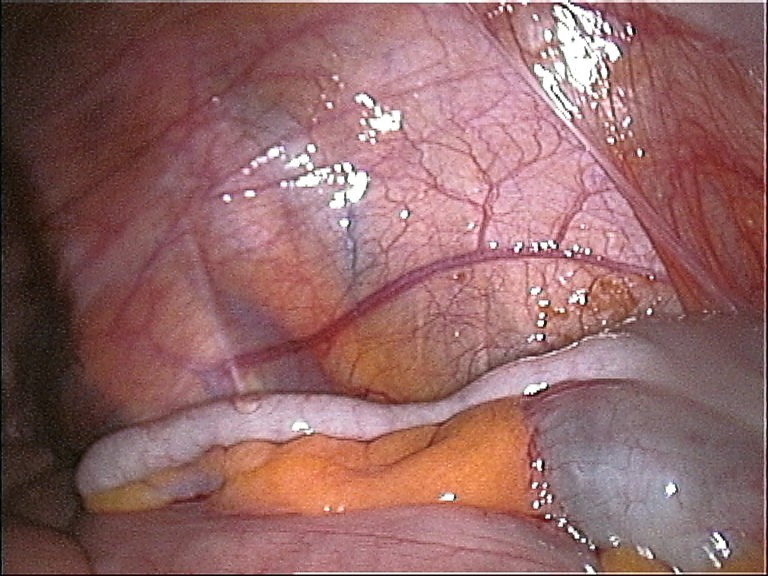
There are no specific diagnostic tests for the problem but an ultrasound examination often shows that the appendix is enlarged. If the diagnosis is still uncertain after a physical examination and ultrasound, laparotomy maybe ordered, particularly in woman, because the symptoms may indicate an ovarian cyst or other gynecologic disorder. In this procedure, a viewing tube is inserted into a small incision near the naver, allowing a doctor to examine the abdominal organs.


Medical Treatments

An operation to remove the appendix called an appendectomy will be done immediately; it is the only treatment for acute appendicitis. Prompt surgery is important to prevent rupture and spreading of the infection.


A ruptured appendix invariably leads to peritonitis, a serious infection of the lining around the abdominal cavity. If rupture has occured, the appendix and the surrounding infected tissue must be removed, followed  by intensive antibiotic theraphy. In the rare cases in which surgery is not possible, antibiotics will be given inravenously.


In uncomplicated appendectomy takes about an hour to perform. Most patients are released from the hospital in 5 or 6 days and recover fully within a week to 10 days.


Alternative Therapies

While there is no substitute for surgical treatment, such relaxation techniques as meditation, visualization and self-hypnosis caan reduce postoperative pain. Other approaches incluse:

1. Acupuncture. In China, acupuncture substitutes for painkillers following an appendectomy and some other types of surgery. When James Reston, a New York Times columnist, developed appendicitis during a trip to China, local anesthesia was used for the operation and acupuncture to alleviate postoperative pain.

2. Music therapy. Listening to music dulls the perception of pain, perhaps by increasing the brains production of endorphins - the body's natural painkillers. Studies show that surgery patients who listen to music often can reduce their need for painkillers.

3. Nutrition Therapy. Some nutritionists and doctors believe that eating high-fiber foods, such as whole-grain cereals and breads, fresh fruit and vegetables may help prevent appendicitis.


Self-Treatment

There is no self-treatment for acute appendicitis; your best course is to seek medical treatment as quickly as you can. Go to the nearest emergency room if you are unable to reach your own doctor. If you cannot get to a hospital immediately, apply ice packs and stay as quiet as possible.


Constipation is common with this condition but you should never take a laxative if the symptoms suggest the possibility of appendicitis because it can cause the appendix torupture. While recovering from an appendectomy, an ice pack applied to the area of the incision numbs the pain. After the stitches or surgical staples have been removed, application of vitamin E oil or cream to the incision may promote healing and help to reduce scarring. Generally, physicians advise against lifting any heavy objects for at least six weeks, as such activity can put undue stress on the incision and will slow the healing process.


Other Causes of Abdominal Pain

Other disorders that produce pain like that of appendicitis include pelvic inflammatory disease, tubal pregnancy, a ruptured ovarian cyst, Crohn's disease and other intestinal disorders. 

Vermiform Appendix
Gray536.png
Arteries of cecum and vermiform appendix. (Appendix visible at lower right, labeled as "vermiform process").
Stomach colon rectum diagram.svg
Normal location of the appendix relative to other organs of the digestive system (frontal view).


Sabtu, 01 Januari 2011

HEALTH INFO

SHOULD YOU SEEK A SECOND OPINION?

Studies show that a large percentage of surgery done in the whole world each year could be avoided, because all operations carry a risk and most are more costly than other treatments. Make sure that surgery is the best treatment option. In particular, always seek a second opinion before having any of the following operations:

Cataract removal
Coronery artery bypass and other heart operations
Gallbladder removal
Hernia repair
Hysterectomy
Knee surgery
Prostate surgery
Spinal disk removal and other back operations
Tonsillectomy